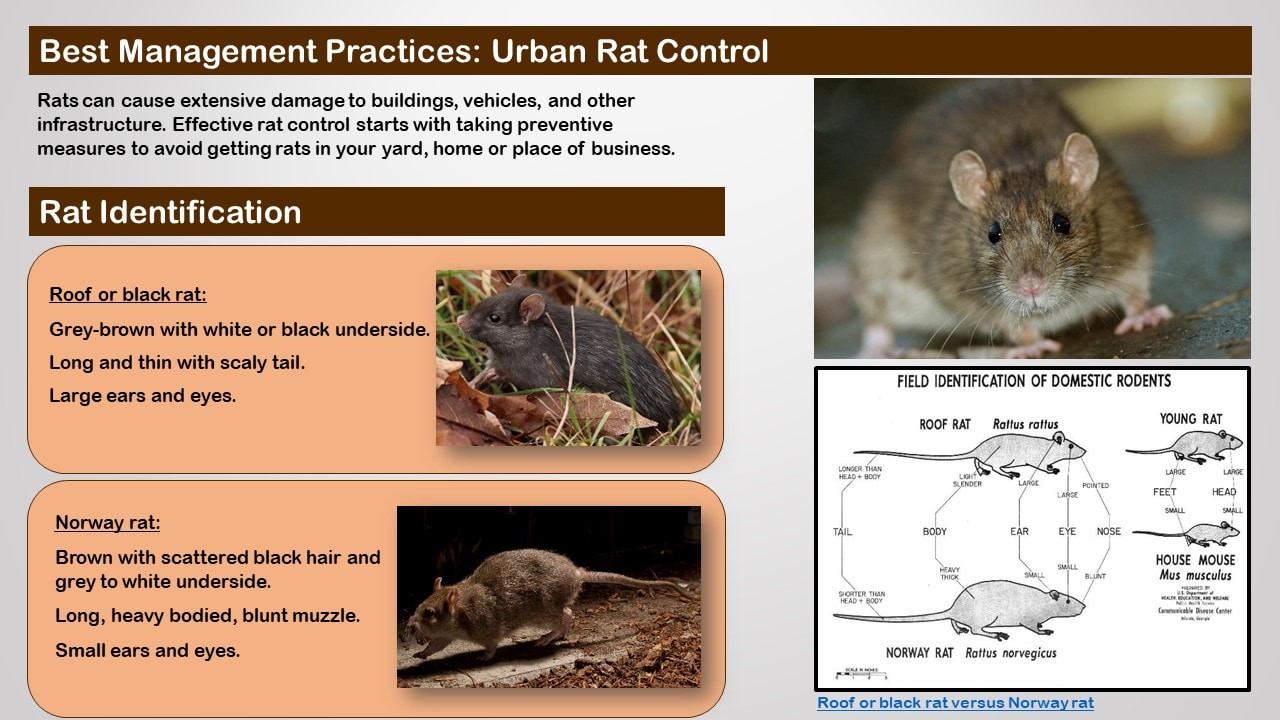
Please check out Best Management Practices for Urban Rat Control
|
Rodenticide exposure of raptors in British Columbia
|
Best Rodent Control Practices
To the extent possible, avoid the use of anticoagulant rodenticides. Consider preventive measures such as removal of potential food sources, and blocking access to the inside of structures. Anticoagulant rodenticides should only be used as a last resort and application should carefully follow the instructions on the product label.
Preventive Measures
• Removal of open food sources for pests
• Safe storage of food products and or waste management
• Block possible access to the inside of structures
• Keep pet food for pets indoors
• Keep grass short within 1m surrounding your house
• Removal of debris
To the extent possible, avoid the use of anticoagulant rodenticides. Consider preventive measures such as removal of potential food sources, and blocking access to the inside of structures. Anticoagulant rodenticides should only be used as a last resort and application should carefully follow the instructions on the product label.
Preventive Measures
• Removal of open food sources for pests
• Safe storage of food products and or waste management
• Block possible access to the inside of structures
• Keep pet food for pets indoors
• Keep grass short within 1m surrounding your house
• Removal of debris